When most people picture therapy, they see themselves stretched out on a plush couch, fluffy pillows everywhere, spilling the tea to a stranger who just nods and scribbles. Every. Single. Word. Then, as if by magic, the clock hits 50 minutes and you float out the door completely healed, happy, and fixed. That storyline makes for good TV, but real life is different. Therapy is a process. It takes time, consistency, and real courage to look within and face the parts of ourselves we usually avoid.
But why would anyone need therapy anyway?
We have best friends, sisters, aunties, that one coworker who always has a quote for everything, and even that friendly stranger on the commute. And now, thanks to social media, we can vent on Facebook or go down a Google rabbit hole trying to diagnose every feeling we don’t understand. Some of that might be helpful, but none of it replaces a solid therapy session. A therapist offers trained insight, privacy, and a space that’s fully focused on you. No judgment, no side-eyes, no “Girl, well let me tell you what happened to me…” And the truth is, we all could use that kind of support at one time or another.
But again: Why therapy though? Everybody? Really?
Yes, really. Every single one of us can benefit from therapy because we’re human. Being human means we get a front-row seat to the full human experience. It can be beautiful, but it can also be hard, painful, complex, and just plain messy. Black women are often masters at holding it together. We lead meetings, run businesses, manage households, mentor others, and somehow end up being the unofficial therapist for everybody else. It’s in those moments, when you’re carrying so much, that you can benefit from guidance and support to help you get to the other side—especially when you truly don’t know what to do next.
Therapy is like medicine.
If you had a bad case of the flu, a broken bone, or a pain that would not go away, you’d get to your doctor as fast as you possibly could for some relief. Some situations involving our mental health need that same urgency. It is just as important to care for our mental health as it is our physical health. Just like there are doctors for physical illnesses, there are professionals and resources that specialize in mental and emotional well-being.
But only crazy people go to therapy.
Contrary to popular belief, you don’t need some dramatic, scary diagnosis worthy of a Lifetime movie to need therapy. While some people do live with mental illnesses that require therapeutic care, many people who seek therapy are regular folks with jobs, families, and responsibilities who are simply struggling with thoughts, emotions, or situations. Going to therapy is actually one of the sanest things you can do, because it means you recognize something is happening in your life that you don’t want to navigate alone. People seek therapy not because they believe they are “crazy,” but because they want to cope better, relate better, and feel better. Sometimes we just need practical tools and a grounded perspective to help us move through an ever-changing world.
Therapy is also a powerful way to examine your story and beliefs, get clear about who you are, who you want to become, and how to bridge that gap in healthy, sustainable ways. It helps you define how you move through the world and how you show up in your relationships, work, and community.
But I haven’t had a colossal, catastrophic, life-altering event happen to me.
While therapy is absolutely important in times of crisis or major loss, that’s not the only reason people go. People seek therapy for all kinds of reasons: work stress, leadership pressure, burnout, relationship challenges, family dynamics, major transitions, or simply wanting more compassion and understanding for themselves. Therapy can actually be preventative. When you address patterns and problems early, they’re less likely to grow into bigger, more complicated issues later.
Invest in your mental health, too.
Yes, anything of quality is an investment—and we make those a priority. That includes therapy. We work hard to perfect our outer physical best and present it to the world, but what about our inner mental best? Therapy is an investment in sound mental health that can provide long-term returns in the form of peace of mind, self-awareness, healthier relationships, and a deeper sense of happiness and alignment.
We invest in our hair, the latest outfits, manicures, gym memberships, professional development, and travel. None of these things are wrong, but therapy is an investment in something even more valuable: your peace of mind. And here’s what many people don’t realize: good therapy is not just someone listening politely while you vent for an hour. A highly trained therapist brings years of education, clinical training, and experience to help you understand patterns, process emotions, and create meaningful change in your life.
You’re not paying for a casual conversation. You’re investing in professional expertise focused entirely on your well-being. Think of it like hiring a skilled attorney, financial advisor, or executive coach. When something truly matters, you want someone who really knows what they’re doing.
Therapy is like executive coaching for your life. High-performing professionals often hire coaches to improve leadership, decision-making, and communication. Therapy works in a similar way, but for your emotional, relational, and internal world. It helps you recognize patterns that keep repeating, navigate stress more effectively, strengthen relationships, set healthier boundaries, reconnect with who you truly want to be, unpack what’s weighing on you, heal emotional wounds, and develop clarity, confidence, and peace in the way you move through the world.
Therapy gives you something many high-achieving women rarely receive : uninterrupted support. For once, you are not the one carrying everyone else. It’s not about being broken. It’s about becoming even more whole. And if you’re already investing in being your best professionally, financially, and physically, your mental and emotional well-being deserve that same level of care. Peace of mind isn’t a luxury. It’s essential.
The truth is that growth doesn’t happen by accident. It happens when we give ourselves the time, support, and resources to move forward intentionally. And you deserve that.
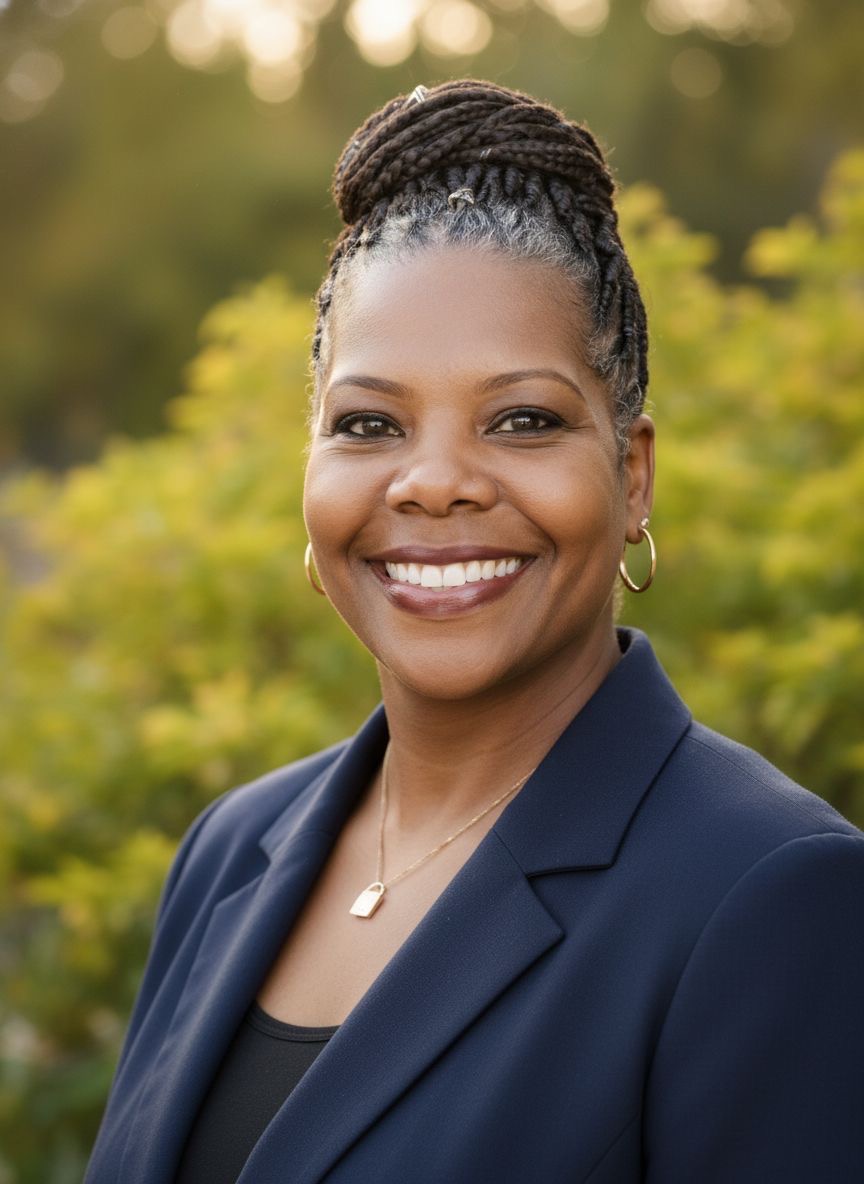
If you would like to schedule a session with Crystal, visit her website at https://crystalcrowleylmft.com/